


 English
 Español
 Portugues
 Pусский
 中文




automotive carbon removal
Automotive Carbon Removal: A Pathway to Sustainable Mobility The automotive industry is a significant contributor to global carbon emissions, accounting for a substantial portion of greenhouse gases released into the atmosphere. As the world shifts toward sustainability, carbon removal in the automotive sector has become a critical focus. This involves both reducing emissions at the source and actively removing carbon dioxide (CO₂) already present in the environment. 1. Reducing Emissions at the Source The first step in automotive carbon removal is minimizing emissions from vehicles. This includes transitioning from internal combustion engines (ICEs) to electric vehicles (EVs), which produce zero tailpipe emissions. However, the carbon footprint of EVs depends on the energy source used for electricity generation. Renewable energy integration, such as solar and wind power, is essential to ensure true decarbonization. Additionally, improving fuel efficiency in conventional vehicles through lightweight materials, aerodynamics, and hybrid technologies can reduce emissions. Advanced biofuels and synthetic fuels (e-fuels) also present alternatives, though their scalability and sustainability remain challenges. 2. Carbon Capture and Storage (CCS) in Manufacturing Vehicle production is energy-intensive, with steel, aluminum, and battery manufacturing contributing heavily to CO₂ emissions. Carbon capture and storage (CCS) technologies can trap emissions from factories before they enter the atmosphere. These systems capture CO₂ at the source, compress it, and store it underground or repurpose it for industrial use. 3. Direct Air Capture (DAC) for Automotive Emissions Beyond reducing emissions, direct air capture (DAC) technologies actively remove CO₂ from the atmosphere. While not yet widely adopted in the automotive sector, DAC could offset emissions from hard-to-decarbonize areas, such as long-haul trucking or aviation. Some companies are exploring integrating DAC systems with charging stations or manufacturing plants to create carbon-neutral operations. 4. Sustainable Materials and Circular Economy Carbon removal also extends to material choices. Using recycled metals, bio-based plastics, and carbon-negative materials (e.g., hemp or bamboo composites) can lower the carbon footprint of vehicles. A circular economy approach—where end-of-life vehicles are recycled or repurposed—further reduces waste and emissions. 5. Reforestation and Carbon Offsetting While not a direct automotive solution, reforestation and carbon offset programs help counterbalance emissions. Some automakers invest in afforestation projects or purchase carbon credits to neutralize their environmental impact. Challenges and Future Outlook Despite progress, challenges remain, including high costs of carbon removal technologies, energy requirements for DAC, and the need for policy support. However, as innovation accelerates, automotive carbon removal will play a vital role in achieving net-zero emissions. In conclusion, automotive carbon removal requires a multi-faceted approach—cleaner vehicles, sustainable manufacturing, carbon capture, and circular practices—to drive the industry toward a greener future.
نتاج
تصنيف:
-
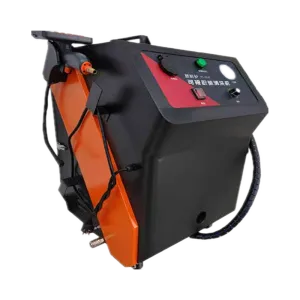
معدات غسل رمل الجوز
تصنيفها: سلسلة الاختزال الحراري من خلال إزالة الكربونالمشاهدات: 1144عدد:وقت الإصدار: 2024-08-13 04:17:04
أخبار
تصنيف:
لا توجد نتائج بحث!
حالة
تصنيف:
لا توجد نتائج بحث!
فيديو
تصنيف:
لا توجد نتائج بحث!
تحميل
تصنيف:
لا توجد نتائج بحث!
تجنيد
تصنيف:
لا توجد نتائج بحث!
المنتجات الموصى بها
لا توجد نتائج بحث!



 واتس اب
 هاتف