


 English
 Español
 Portugues
 Pусский
 中文




Exhaust System Cleaning
Exhaust System Cleaning: Importance and Process The exhaust system is a critical component of any vehicle, responsible for safely directing harmful gases away from the engine and passengers while reducing emissions and noise. Over time, carbon deposits, soot, and other contaminants can accumulate inside the exhaust system, leading to reduced efficiency, increased emissions, and potential engine performance issues. Regular exhaust system cleaning helps maintain optimal functionality and prolongs the lifespan of the system. Why Clean the Exhaust System? 1. Improved Engine Performance – A clogged or dirty exhaust system can restrict airflow, causing backpressure that reduces engine efficiency. Cleaning removes blockages, allowing the engine to "breathe" better and operate smoothly. 2. Lower Emissions – A clean exhaust system ensures that catalytic converters and diesel particulate filters (DPFs) function properly, reducing harmful emissions and helping vehicles meet environmental regulations. 3. Prevents Costly Repairs – Excessive buildup can damage components like oxygen sensors, mufflers, and catalytic converters. Regular cleaning prevents premature wear and costly replacements. 4. Better Fuel Efficiency – When the exhaust flows freely, the engine doesn’t have to work as hard, leading to improved fuel economy. How Exhaust System Cleaning Works The cleaning process varies depending on the type of vehicle (gasoline or diesel) and the components involved. Common methods include: 1. Chemical Cleaning – Specialized cleaning agents are introduced into the exhaust system to dissolve carbon deposits and soot. These chemicals are often sprayed or injected while the engine is running, allowing them to break down contaminants before being expelled. 2. Mechanical Cleaning – For diesel vehicles with DPFs, forced air or specialized tools may be used to remove stubborn soot buildup. Some systems also use high-temperature regeneration to burn off accumulated particles. 3. Ultrasonic Cleaning – In some cases, smaller components like oxygen sensors or EGR valves can be removed and cleaned using ultrasonic technology, which uses high-frequency sound waves to dislodge deposits. When Should You Clean the Exhaust System? Signs that an exhaust system needs cleaning include: - Reduced acceleration or power - Increased fuel consumption - Dark smoke from the exhaust - Unusual noises (rattling or hissing) - Check engine light due to emission-related faults For diesel engines, DPF cleaning may be needed more frequently, especially if the vehicle is used for short trips where the filter doesn’t reach optimal temperatures for self-cleaning. Conclusion Regular exhaust system cleaning is essential for maintaining vehicle performance, reducing emissions, and preventing expensive repairs. Whether using chemical treatments, mechanical methods, or professional services, keeping the exhaust system clean ensures smoother operation and compliance with environmental standards. A well-maintained exhaust system contributes to a longer-lasting, more efficient vehicle.
نتاج
تصنيف:
-
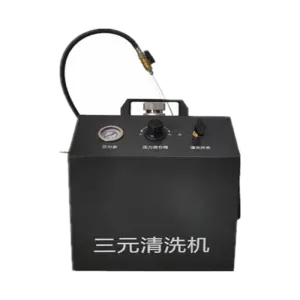
ثالثي التنظيف الحفاز والحد من الجهاز
تصنيفها: سلسلة الاختزال الحراري من خلال إزالة الكربونالمشاهدات: 1241عدد:وقت الإصدار: 2024-08-13 04:23:04
أخبار
تصنيف:
لا توجد نتائج بحث!
حالة
تصنيف:
لا توجد نتائج بحث!
فيديو
تصنيف:
لا توجد نتائج بحث!
تحميل
تصنيف:
لا توجد نتائج بحث!
تجنيد
تصنيف:
لا توجد نتائج بحث!
المنتجات الموصى بها
لا توجد نتائج بحث!



 واتس اب
 هاتف