


 English
 Español
 Portugues
 Pусский
 中文



three-way catalytic converter cleaning
Three-Way Catalytic Converter Cleaning: A Comprehensive Guide The three-way catalytic converter (TWC) is a critical component in a vehicle's exhaust system, responsible for reducing harmful emissions by converting carbon monoxide (CO), hydrocarbons (HC), and nitrogen oxides (NOx) into less harmful gases like carbon dioxide (CO₂), nitrogen (N₂), and water vapor (H₂O). Over time, however, the catalytic converter can become clogged or contaminated, leading to reduced efficiency, poor engine performance, and increased emissions. Cleaning the TWC can help restore its functionality and extend its lifespan. Why Clean a Catalytic Converter? A clogged or dirty catalytic converter can cause several issues, including: - Reduced engine power due to restricted exhaust flow. - Poor fuel economy as the engine works harder to push exhaust gases through the blockage. - Check engine light activation triggered by emission-related fault codes (e.g., P0420 or P0430). - Failed emissions tests due to inefficient conversion of pollutants. Common causes of catalytic converter contamination include: - Oil or coolant contamination from engine leaks. - Excessive carbon buildup from incomplete combustion. - Fuel additives or low-quality fuel leaving deposits. - Physical damage from overheating or impact. Methods for Cleaning a Three-Way Catalytic Converter 1. Fuel Additive Cleaners Specialized catalytic converter cleaning additives can be poured into the fuel tank. These cleaners dissolve carbon deposits and other contaminants as the engine runs, allowing the converter to burn off the buildup naturally. This method is simple but may require multiple treatments for severe clogs. 2. Direct Cleaning (Off-Vehicle Method) For heavily clogged converters, removing and cleaning them manually may be necessary. Steps include: - Soaking in a cleaning solution (e.g., a mix of degreaser and water). - Using compressed air or high-pressure water to flush out debris. - Drying thoroughly before reinstalling. This method is more labor-intensive but effective for stubborn blockages. 3. High-Speed Driving (Italian Tune-Up) Running the engine at high RPMs (e.g., highway driving) can help burn off carbon deposits by increasing exhaust temperatures. This method is less effective for severe clogs but may help with minor buildup. Preventive Maintenance Tips - Use high-quality fuel to minimize deposits. - Fix engine issues promptly (e.g., oil leaks, misfires) to prevent contamination. - Avoid short trips that prevent the converter from reaching optimal operating temperature. - Regularly inspect the exhaust system for signs of damage or blockage. Conclusion Cleaning a three-way catalytic converter can improve engine performance, reduce emissions, and delay the need for replacement. While fuel additives and high-speed driving offer simple solutions, severe cases may require manual cleaning. Regular maintenance and proper driving habits can help keep the converter functioning efficiently for years. If cleaning does not resolve issues, professional inspection or replacement may be necessary.
نتاج
تصنيف:
-
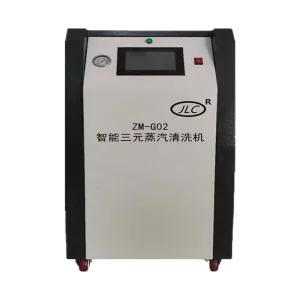
معدات تنظيف البخار الذكية الثالثية
تصنيفها: سلسلة الاختزال الحراري من خلال إزالة الكربونالمشاهدات: 836عدد:وقت الإصدار: 2024-08-13 04:24:47
أخبار
تصنيف:
لا توجد نتائج بحث!
حالة
تصنيف:
لا توجد نتائج بحث!
فيديو
تصنيف:
لا توجد نتائج بحث!
تحميل
تصنيف:
لا توجد نتائج بحث!
تجنيد
تصنيف:
لا توجد نتائج بحث!
المنتجات الموصى بها
لا توجد نتائج بحث!



 واتس اب
 هاتف